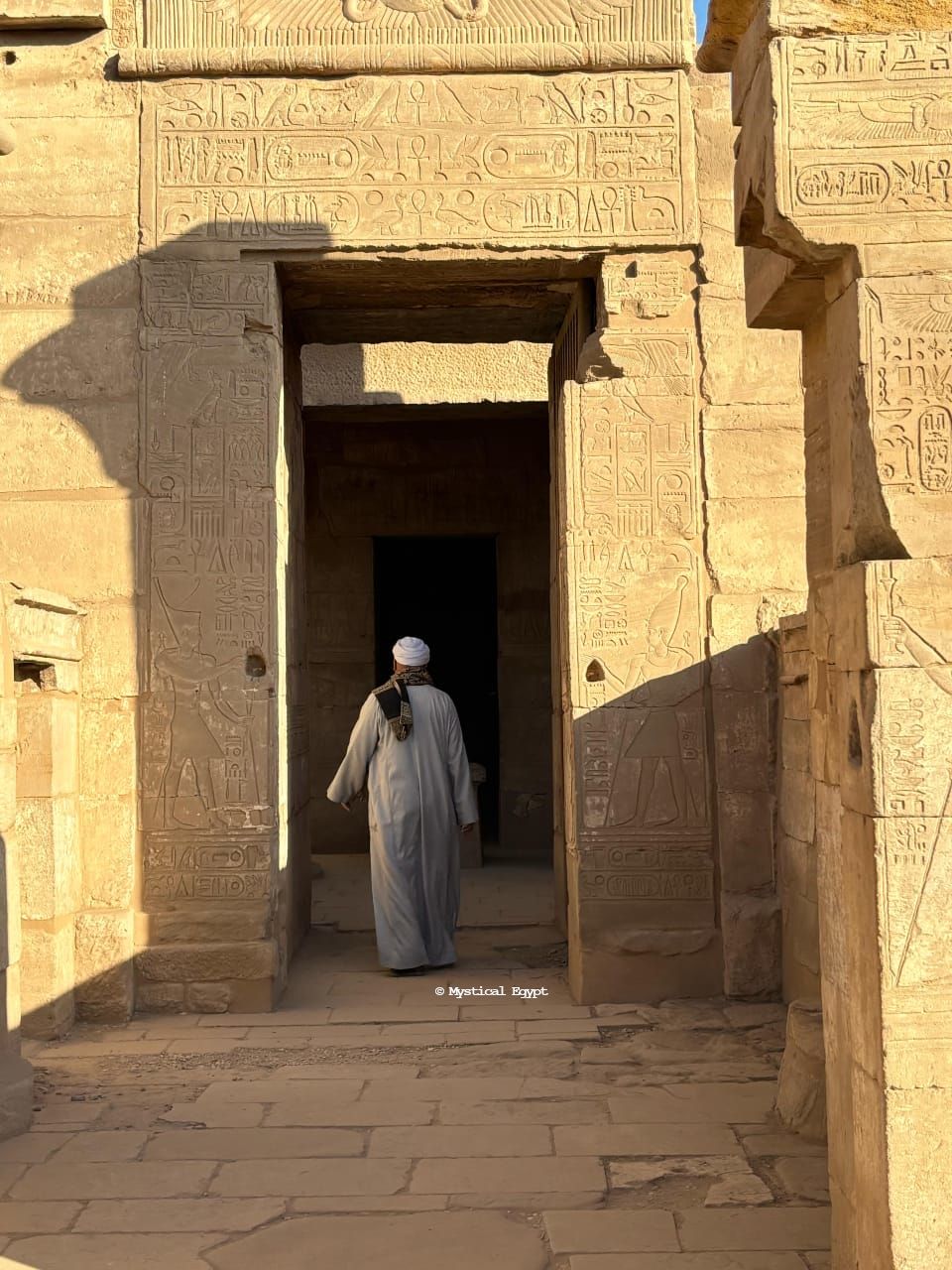
Luxor: Where the Soul of Egypt Whispers Through Eternal Temples
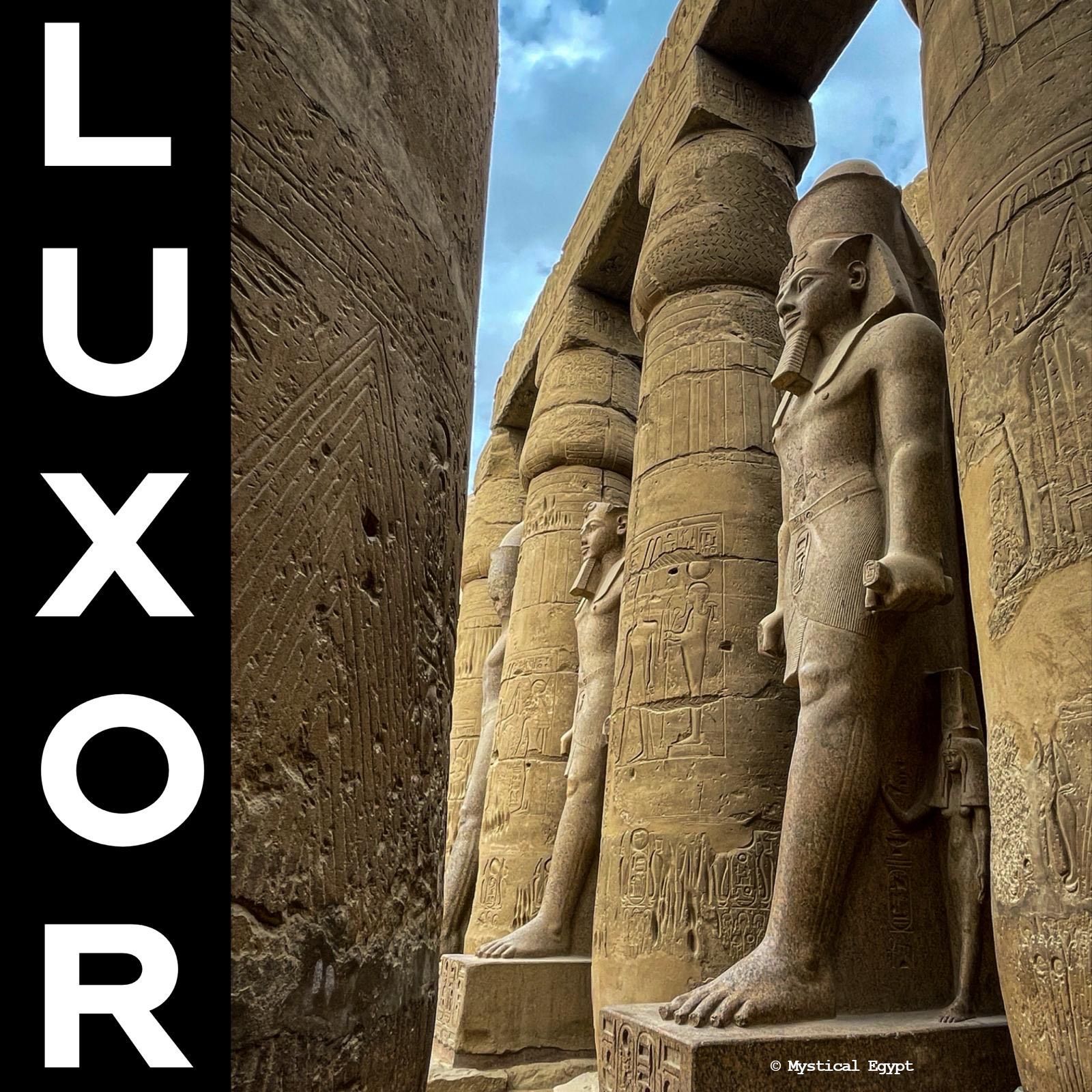
In the ancient temples of Egypt, like those standing in Luxor, we do not find mere stone and history; we find the coded language of consciousness, energy, and cosmic resonance.
These temples are not monuments of the past but living gateways to inner transformation, where spirit and matter, human and cosmos, converge in sacred harmony.
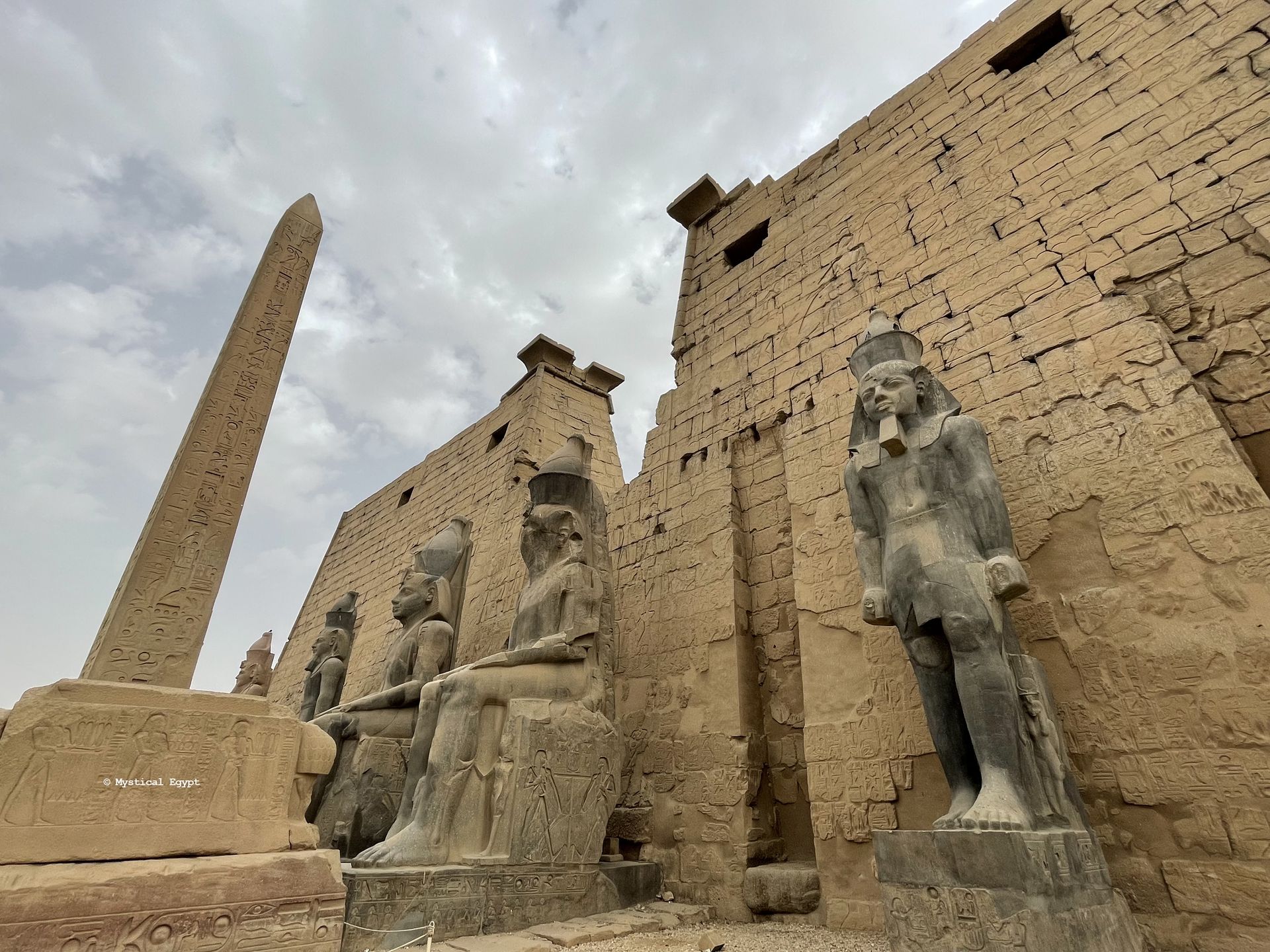
A Journey Beyond Sight
Walking through Luxor’s temples is not merely sightseeing. It is an experience of resonance and reflection. The grand halls, towering statues, and quiet sanctuaries invite visitors to step into a deeper space of awareness and presence. Each monument, each relief, holds a silent invitation: to feel, to reflect, and to awaken.
Discover the hidden wonders of Luxor. Begin your journey today. Contact us to reserve your experience.
Karnak Temple: The Cosmic Source
Karnak was the heart of Luxor, dedicated to Amun, the unseen creative force. Its hypostyle halls, towering pylons, and sacred lake were arranged according to celestial cycles.
Karnak was more than a place of worship, it was a generator of divine energy, a point where the heavens meet the Earth, and where the human soul could reconnect with the universal field.
Luxor Temple: The Human Vessel
Luxor Temple is aligned with Karnak through the Avenue of Sphinxes, forming a channel of sacred energy.
Unlike other temples, it celebrated the awakening of human consciousness. Ceremonies here activated the divine potential within the pharaoh, reflecting the ancient belief that humanity is a living expression of cosmic order.
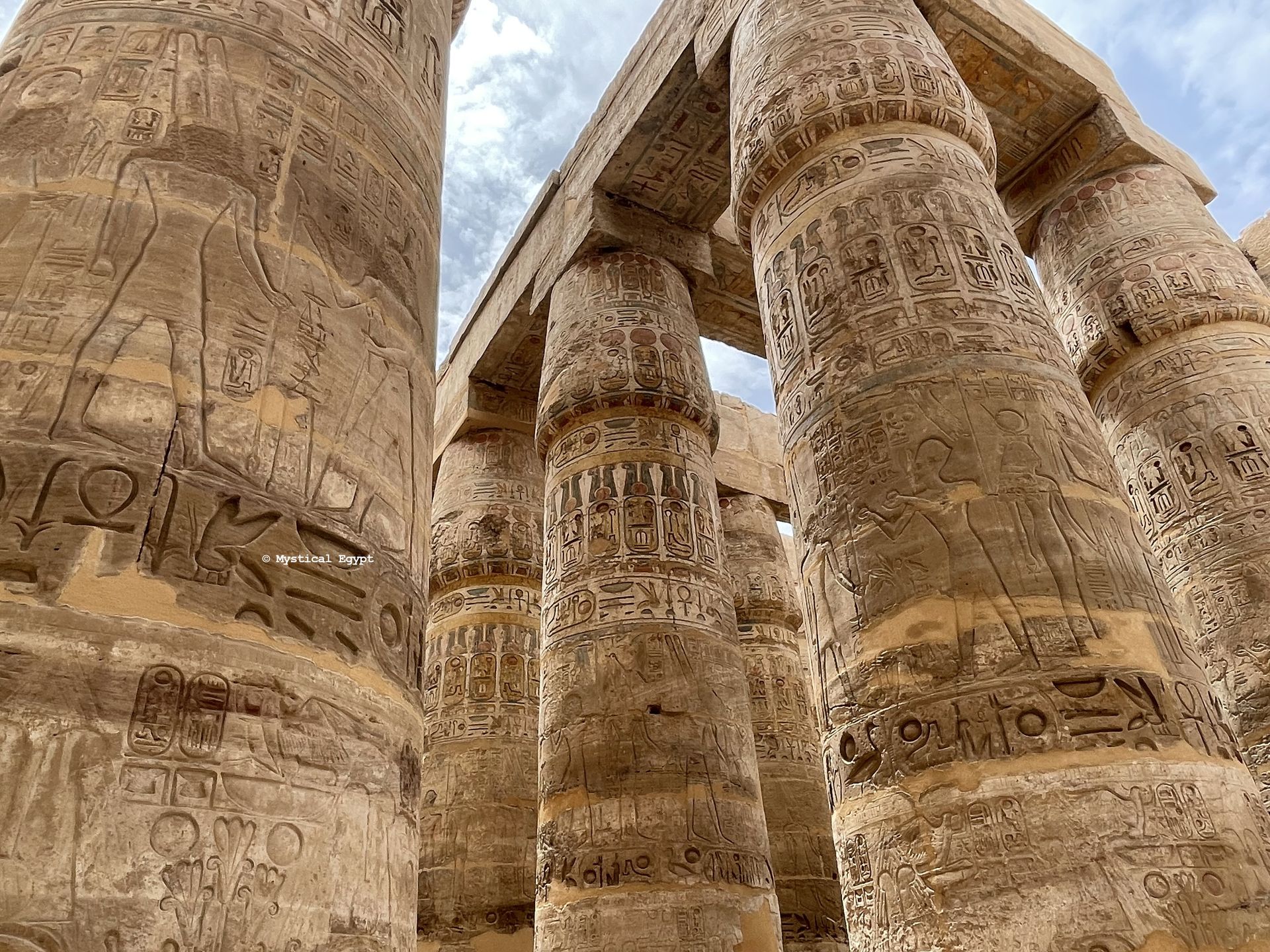
Medinet Habu & Ramesseum: Anchors of Divine Will
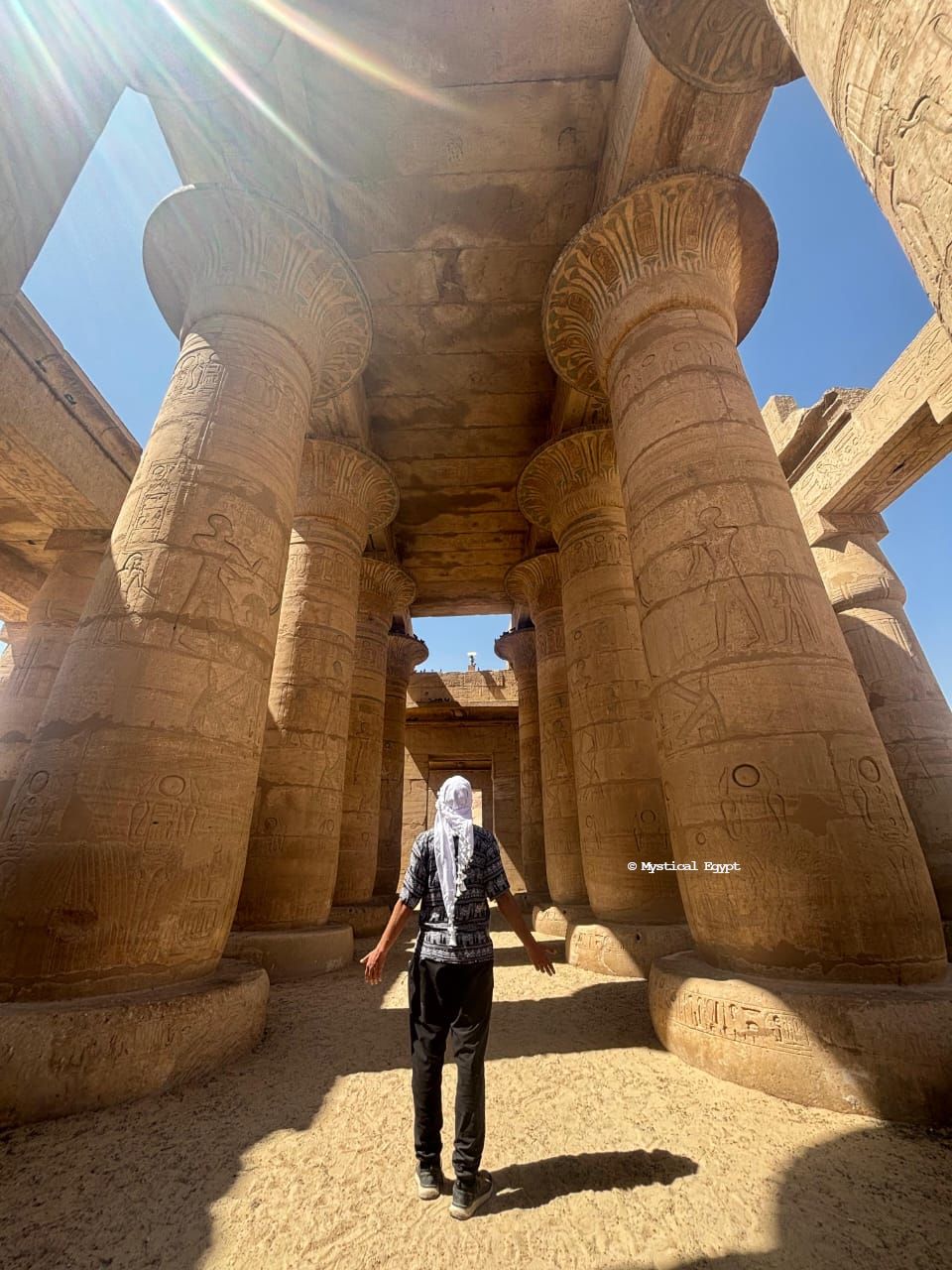
The temples of Ramses III (Medinet Habu) and Ramses II (Ramesseum) show how spiritual order was anchored into the physical world. Their walls carry reliefs of sacred symbols and divine principles, reminding us that true power flows from alignment with universal law, not force.
Temple of Hatshepsut: Harmony of Earth and Sky
Built into the cliffs of Deir el-Bahari, the temple of Hatshepsut rises like a stone hymn to balance. Its terraces, aligned with the rising sun, symbolize the union of the earthly and the celestial, guiding the soul to remember its place in the cosmos.
Valley of the Kings: Passage Beyond
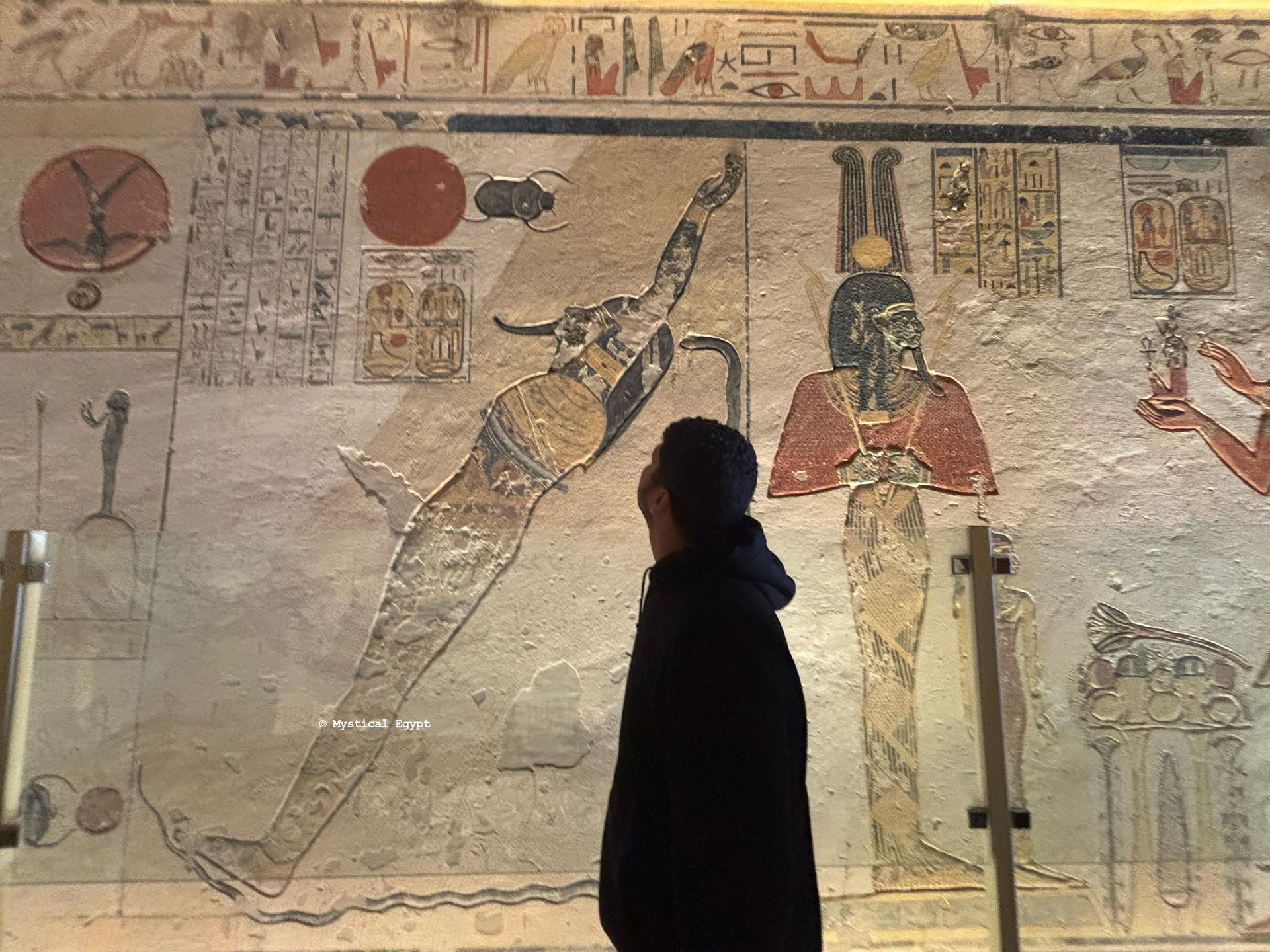
The Valley of the Kings was not a cemetery, it was a spiritual field. The tombs were initiation chambers, with walls painted to guide the soul through the afterlife. Each corridor and symbol was designed to remind the consciousness that death is a transition, not an end.
Valley of the Queens: The Divine Feminine
Here, royal women were honored as carriers of life, protection, and rebirth. The tomb of Queen Nefertari is among the most sacred, showing that beauty, love, and intuition were seen as forces of cosmic balance.
Colossi of Memnon: Guardians Between Worlds
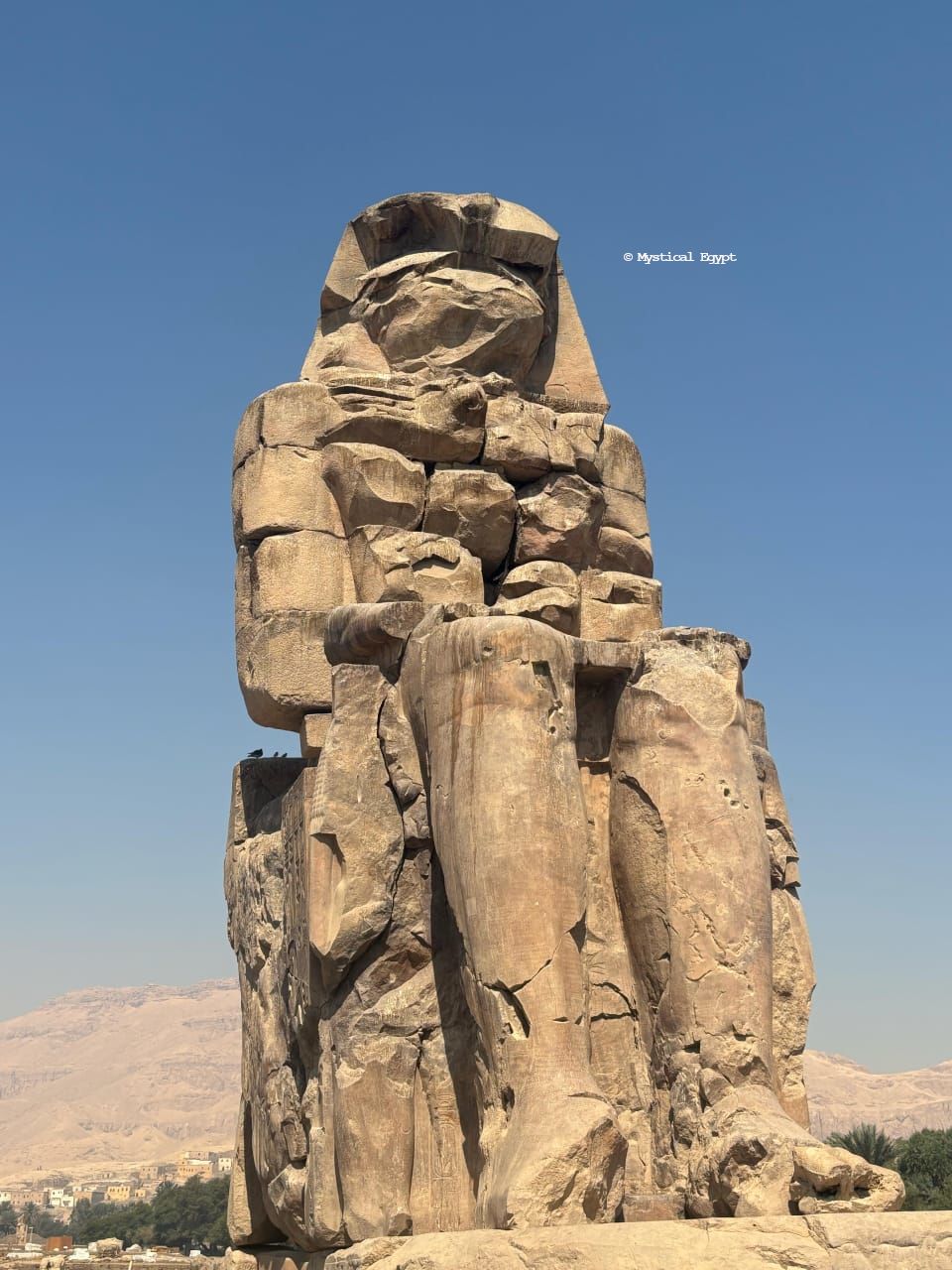
These two massive statues once flanked a royal temple, standing as silent watchers over the threshold between the living and the divine realms.
Deir el-Medina: Keepers of Knowledge
The village of the artisans who built the royal tombs preserved the ancient science of sacred architecture. Here, knowledge was passed down generation by generation, ensuring that the energy of the temples remained alive.
Luxor as a Unified System
All these sites together - Karnak, Luxor Temple, the West Bank tombs, Hatshepsut’s terraces, Medinet Habu, Ramesseum, and the Colossi - form one continuous spiritual network.
• East Bank: life, creation, and cosmic alignment
• West Bank: death, transformation, and return
Luxor teaches that the soul moves in cycles, that every life, every death, and every rebirth is part of an eternal rhythm.
Walking here is not just visiting history, it is remembering the journey of your own soul.